Immediate Dentures: What to Expect From Start to Healing

Source: Dr. Marketing
Losing teeth is not just a physical change. It affects how you eat, speak, and present yourself in everyday life. For many patients, one of the biggest concerns is not the procedure itself, but what happens immediately after. The idea of going without teeth during healing can feel uncomfortable and disruptive.
Same-day immediate dentures are designed to remove that gap. Instead of waiting weeks for healing before receiving dentures, patients leave with a complete smile on the same day their teeth are removed. While this approach offers clear benefits, it also involves a process that unfolds in stages.
At Envision Denture and Implant Centre in Surrey, immediate dentures are approached with careful planning and long-term consideration. Understanding how the process evolves helps set realistic expectations and leads to a more comfortable overall experience.
Before the Procedure: Planning for Accuracy and Comfort

Immediate dentures are created before the teeth are removed, which means the planning phase is critical. Impressions, bite records, and measurements are taken while the natural teeth are still present. These details help guide the design of the denture so it reflects your natural smile and facial structure.
However, there is an important limitation to keep in mind. Because the gums and bone will change shape after extractions, the initial denture is designed with flexibility rather than perfection. It provides a functional and aesthetic starting point, with the understanding that adjustments will follow.
At this stage, conversations about expectations are just as important as the technical work. Patients who understand that immediate dentures are part of a process tend to adapt more comfortably as healing progresses.
The Day of Placement: What the Experience Feels Like

On the day of the procedure, the remaining teeth are removed and the dentures are placed immediately afterward. This allows patients to leave with a complete smile, avoiding the emotional and practical challenges of being without teeth.
The first impression of immediate dentures is often a mix of relief and adjustment. The dentures may feel bulkier than expected, and there can be a sense of pressure as the tissues begin to respond. Speech may sound slightly different at first, and the overall sensation can feel unfamiliar.
This stage is not about achieving a perfect fit. Instead, the dentures act as a protective covering over the gums while also maintaining appearance. They help control bleeding and support the early healing process, which is an important part of recovery.
The Early Healing Phase: Adapting Day by Day

The first few days after placement are typically the most noticeable in terms of adjustment. Swelling, mild soreness, and sensitivity are common as the body begins to heal.
During this time, daily habits begin to shift. Eating becomes more deliberate, often starting with softer foods while the mouth adjusts. Speaking may require a bit of practice, especially with certain sounds. These changes are temporary, but they are an important part of the adaptation process.
Follow-up visits play a key role during this phase. Small adjustments can relieve pressure points and improve comfort significantly. At Envision Denture and Implant Centre in Surrey, these refinements are expected and planned, helping patients move through this stage with greater ease.
As Healing Progresses: Why the Fit Changes

One of the most important aspects of immediate dentures is understanding how quickly the mouth changes after extractions. As swelling reduces and the gums heal, the underlying bone begins to reshape.
This natural process can affect how the dentures fit. What initially feels secure may start to feel loose within a few weeks. This is not a defect in the denture, but a reflection of how the oral structures are evolving.
Because of this, adjustments and relines become an essential part of maintaining comfort. A reline reshapes the inner surface of the denture to better match the current contours of the gums, improving stability and function.
Patients who continue care at Envision Denture and Implant Centre in Surrey often find that these updates make a significant difference in how the dentures feel during daily use.
Everyday Function: Eating, Speaking, and Confidence

Adapting to dentures is not only about fit. It also involves retraining how the mouth functions. Eating, for example, becomes more balanced when both sides are used evenly. This helps prevent unnecessary movement and improves control.
Speech follows a similar pattern. While certain sounds may feel different at first, repetition helps restore clarity. Over time, most patients regain a natural speaking rhythm without conscious effort.
There is also a noticeable impact on confidence. Being able to maintain a complete smile immediately after extractions allows patients to continue their daily routines without interruption. This continuity often makes the overall transition feel more manageable.
Looking Ahead: Transitioning to Long-Term Denture
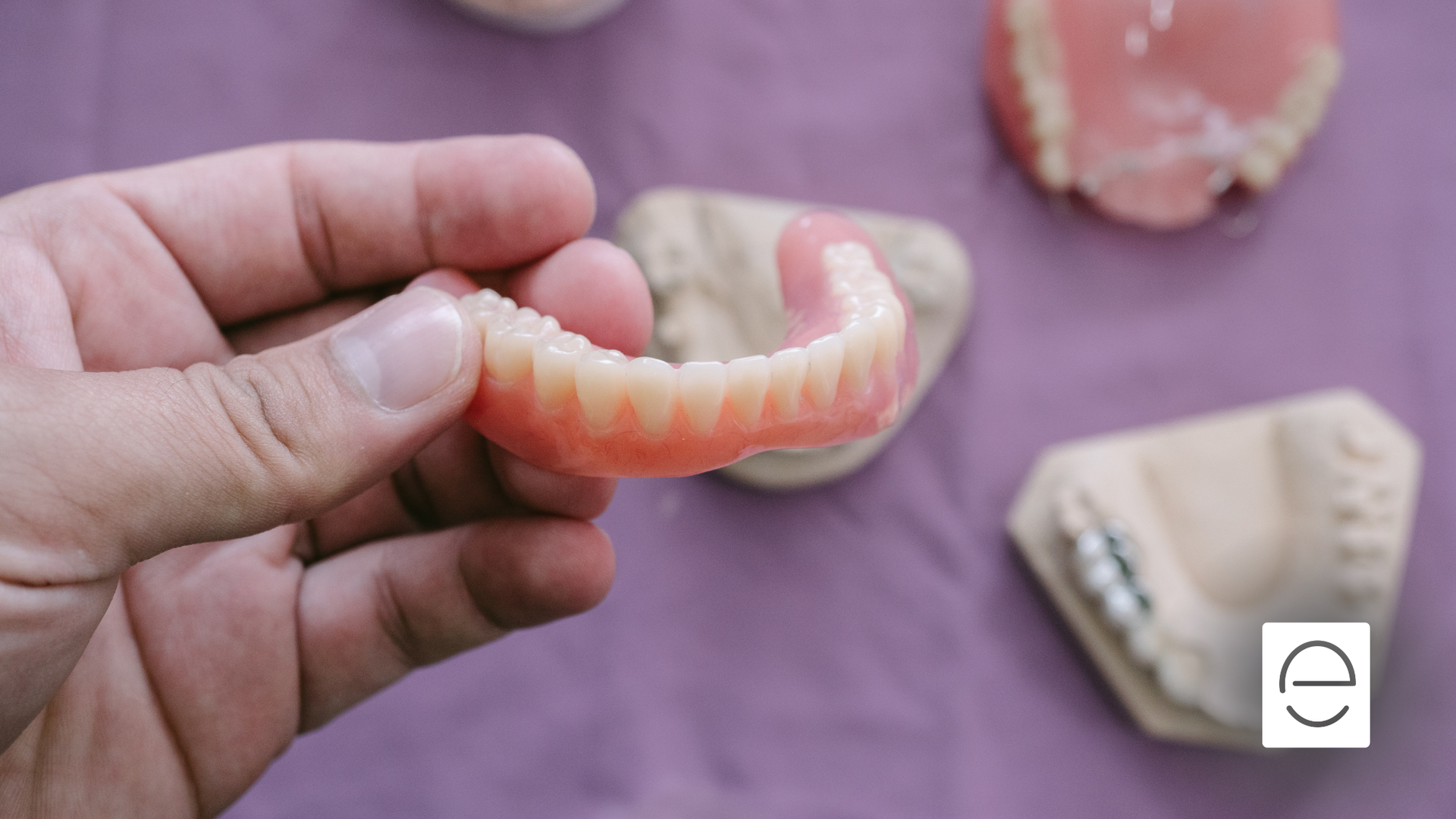
Immediate dentures are not typically the final solution. Once healing is complete and the gums have stabilized, a more refined denture can be created based on the new shape of the mouth.
This final set is designed with greater precision, offering improved fit, comfort, and function. The transition usually occurs several months after the initial procedure, once the changes in bone and tissue have settled.
Understanding this timeline helps patients approach immediate dentures with the right perspective. Rather than expecting a permanent fit immediately, the process becomes one of gradual improvement.
A Process Designed for Continuity and Comfort

Same-day immediate dentures provide a way to move through tooth loss without a visible gap, maintaining both appearance and function from the start. While the experience involves multiple stages, each step plays a role in achieving a stable and comfortable result.
At Envision Denture and Implant Centre in Surrey, this process is guided with attention to detail and long-term outcomes. From initial planning to follow-up care, the goal is to ensure that patients feel supported at every stage.
With the right expectations and consistent care, what begins as an adjustment gradually becomes a natural part of everyday life.